


Does the 2026 Mitsubishi Outlander offer more flexible family space than the 2026 Honda CR-V for Altoona, PA shoppers?
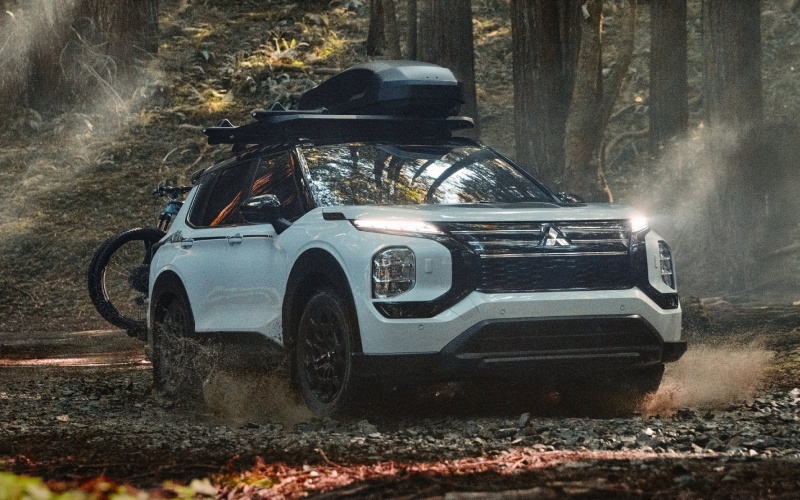
Colonial Mitsubishi – Does the 2026 Mitsubishi Outlander offer more flexible family space than the 2026 Honda CR-V for Altoona, PA shoppers?
One of the most common questions shoppers ask when comparing these two compact SUVs is simple: which one gives a household more flexible space? For many families, commuters, and weekend travelers, the answer points toward the Mitsubishi Outlander. The Honda CR-V is a respected two-row SUV with a comfortable cabin, useful cargo area, and available Real Time AWD™. It also offers wireless Apple CarPlay® compatibility, wireless Android Auto™ compatibility, a 9-inch color touch-screen, and Honda Sensing® driver-assist technology. Those are meaningful strengths, and the CR-V remains popular for good reason. However, when daily life requires more seating flexibility, the Outlander brings an advantage that is easy to understand: standard 7 Passenger Seating.
That third row changes the way an SUV can serve a household. A driver may not need all seven seats every day, but having the option can be incredibly useful. Extra seating helps with school activities, carpooling, visiting family, sports practices, and quick local trips when one more passenger needs a ride. For shoppers near Altoona who may split time between commuting, errands, and family travel, that added versatility can make the Outlander feel like a smarter long-term fit. Colonial Mitsubishi, serving Johnstown, Greensburg, and Altoona, focuses on helping shoppers compare these practical details clearly so the right SUV choice matches real life, not just a spec sheet.
Why seating flexibility matters in a compact SUV
The biggest difference between the Outlander and CR-V is not only the number of seats. It is the way that extra seating changes the SUV’s role. The Honda CR-V seats five, which works well for many individuals and small families. The Outlander seats up to seven, which gives drivers more ways to handle changing plans without stepping into a larger three-row SUV. This is especially valuable for households that occasionally need extra passenger capacity but still want a vehicle that feels manageable for parking, commuting, and navigating local streets.
The Outlander also supports that seating flexibility with a 40:20:40 split type 2nd row seat with folding function. That allows the cabin to be adjusted for passengers, cargo, or a combination of both. Drivers can fold seats for larger items, keep room open for a child seat, or create a layout that works for grocery bags, school gear, luggage, instruments, or sports equipment. The CR-V has a spacious two-row interior, but it cannot match the Outlander’s ability to add two extra seats when passenger needs increase.
How does cargo space compare when the family schedule changes?
Cargo flexibility is just as important as passenger seating. The Outlander offers up to 64.3 cu.ft. of cargo volume behind the front seats, 30.6 cu.ft. behind the 2nd row, and 10.9 cu.ft. behind the 3rd row. That means the SUV can be configured for a larger cargo load, a balanced mix of people and belongings, or a full passenger setup with some space still available. The Honda CR-V is known for strong cargo usability in a two-row format, but shoppers who want the ability to carry extra passengers will likely find the Outlander more adaptable.
For example, a family may use the Outlander mostly as a two-row SUV during the week, with the third row folded for cargo. When cousins visit, teammates need a ride, or grandparents join a short outing, the third row is ready. This type of flexibility is not always obvious during a quick test drive, but it can make a major difference across several years of ownership. The right SUV should be prepared for the days that do not go exactly as planned.
Technology that supports busy families
Interior space is only part of the story. The Outlander adds family-friendly technology that helps make everyday driving easier. A 12.3″ Smartphone-link Display Audio with Navigation is standard, giving the driver a large, modern screen for route guidance and connectivity. Bluetooth® Wireless Technology, Wireless Apple CarPlay®, Wireless Google Android Auto®, steering wheel audio and phone controls, and multiple USB-C ports on select trims all help keep the cabin connected. Mitsubishi Connect with Safeguard And Remote Services and 24-Month Free Trial is also available with mobile app enrollment, adding another layer of convenience.
The audio experience is another standout. The Outlander offers Dynamic Sound Yamaha® Premium and available Dynamic Sound Yamaha® Ultimate. Yamaha® Sound Meisters and Mitsubishi Motors engineers collaborated to create an in-vehicle audio system designed for clarity, depth, and balance. The available 12-speaker Dynamic Sound Yamaha® Ultimate system uses features such as dual amplifiers, noise suppression, Listening Position options, Speed Compensated Volume, Rain Compensated Volume, and Air-Conditioner Compensated Volume. The Honda CR-V offers a Bose premium sound system on Sport Touring Hybrid, which is a strong feature, but the Outlander’s Yamaha® system gives Mitsubishi shoppers a distinctive premium-audio advantage.
Key Outlander advantages for family space
- Standard 7 Passenger Seating: The Outlander offers room for up to seven, while the CR-V remains a five-passenger SUV.
- Flexible 2nd row: The 40:20:40 split type 2nd row seat helps balance passengers and cargo more easily.
- Useful cargo configurations: Fold the third row when cargo space matters, or raise it when extra passengers come along.
- Standard navigation display: The 12.3″ Smartphone-link Display Audio with Navigation gives the Outlander a modern tech foundation.
- Premium audio availability: Dynamic Sound Yamaha® systems add a concert-inspired listening experience.
What about confidence and safety?
Family space matters most when the SUV also feels reassuring to drive. The Outlander includes 11 airbags and a strong collection of standard safety features, including Forward Collision Mitigation (FCM) with Pedestrian Detection, Automatic High Beam (AHB), Blind Spot Warning (BSW) w/ Lane Change Assist (LCA), Rear Cross Traffic Alert (RCTA), Rear Automatic Emergency Braking (Rear AEB), Driver Attention Alert (DAA), Rear Parking Sensors, and Active Stability Control (ASC). Available MI-PILOT Assist w/ Navi-link Adaptive Cruise Control (ACC) with Stop & Go, Lane Keep Assist (LKA), Lane Departure Prevention (LDP), and Traffic Sign Recognition (TSR) further support highway confidence.
The CR-V also provides an impressive safety package through Honda Sensing®, and shoppers should give it credit for that. Still, the Outlander’s standard Rear AEB, standard BSW w/ LCA, and 11-airbag structure help build a strong case for families comparing safety details closely. Add available S-AWC and drive modes such as Tarmac, Gravel, Snow, Normal, Eco, and Mud on certain configurations, and the Outlander becomes especially appealing for drivers who regularly encounter hills, rural roads, and changing pavement conditions in central and western Pennsylvania.
Frequently Asked Questions:
Is the Mitsubishi Outlander bigger than the Honda CR-V?
The Outlander is more flexible for passengers because it offers standard 7 Passenger Seating, while the Honda CR-V has two rows and seats five. Cargo measurements vary by seat configuration, but the Outlander’s third row gives it an advantage for shoppers who sometimes need extra passenger capacity.
Does the Honda CR-V have a third row?
No. The Honda CR-V is a two-row compact SUV. It offers a comfortable five-passenger cabin, but shoppers who want occasional seating for six or seven passengers should give the Outlander serious consideration.
Is the Outlander a good fit for families that do not always need seven seats?
Yes. That is one of its strongest qualities. The third row can be folded when cargo space is the priority, then used when extra passengers need to come along. This makes the Outlander useful for families whose needs change from day to day.
Which SUV should a family test drive first?
A family that values maximum seating flexibility in a compact SUV should test drive the Outlander first. The CR-V is a capable SUV, but the Outlander’s standard third row, strong technology package, available S-AWC, and warranty support make it especially compelling.
The bottom line for family-focused shoppers
If the main question is family-space flexibility, the Mitsubishi Outlander has a clear advantage over the Honda CR-V. The CR-V delivers comfort, efficiency-focused options, and familiar Honda technology, but it cannot offer the Outlander’s standard third row. For shoppers who want one SUV that can handle weekday commuting, family scheduling, and occasional extra-passenger duty, the Outlander simply gives more room to adapt.
That adaptability is what makes the Outlander such a smart choice. A vehicle should not force a driver to choose between compact-SUV convenience and family-ready versatility. With seating for up to seven, smart cargo configurations, modern connectivity, available Dynamic Sound Yamaha® audio, and available S-AWC, the Outlander is built for households that want more possibilities from every drive.
0 comment(s) so far on Does the 2026 Mitsubishi Outlander offer more flexible family space than the 2026 Honda CR-V for Altoona, PA shoppers?